


this information is for entertainment and research purposes only and should not be used as a guide or sole instructions in an emergency
if you experience a seizure seek medical care immediately and always follow your doctor’s instructions


Sudden Unexpected Death in Epilepsy (SUDEP) refers to the unexpected death of a person with epilepsy who was otherwise healthy, where no direct cause (such as an accident or status epilepticus) is found after autopsy. [1, 2, 3]
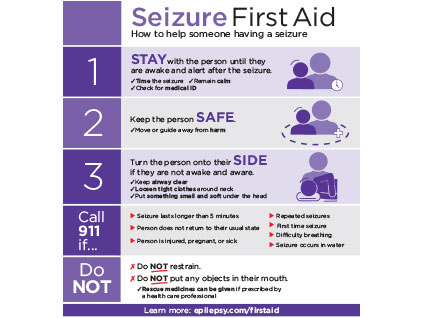
When to Call 911 (Seizure Emergency)
Call emergency services immediately if: [1, 2]
- The seizure lasts longer than 5 minutes.
- A second seizure follows immediately without the person waking up or returning to normal.
- The person has difficulty breathing or waking up after the seizure stops.
- The seizure happens in water.
- The person gets injured, is pregnant, or has diabetes.
- It is the person’s first-time seizure. [1, 2, 3]
What Causes SUDEP?
While the exact mechanism is not fully mapped, research points to failures in vital systems during or immediately after a generalized tonic-clonic (convulsive) seizure: [1, 2]
- Breathing failure (apnea): Seizures can suppress brainstem centers that control breathing or block the airway, leading to low oxygen levels.
- Heart rhythm problems: Dangerous cardiac arrhythmias or cardiac arrest can occur during or right after a seizure.
- Brainstem suppression: Seizure activity can temporarily shut down critical areas of the brain that regulate heart rate and respiration. [1, 2]
Key Risk Factors
- Frequent generalized tonic-clonic seizures (especially nocturnal/nighttime seizures).
- Missing or irregularly taking anti-seizure medications.
- Early-onset or long-standing epilepsy.
- Ages 20 to 40. [1, 2, 3]
How to Protect and Respond (First Aid)
- Turn gently on the side: Place the person in the recovery position to keep the airway clear.
- Clear the area: Move hard or sharp objects away to prevent physical injury.
- Do not restrain or put things in the mouth: Never hold the person down or place objects between their teeth.
- Time the seizure: Track how many minutes the convulsion lasts.
- Stay until help arrives: Remain with the person until they are fully awake and aware.
- Adhere to treatment: Work with an epileptologist to maintain strict seizure control through prescribed daily medication and use authorized Seizure Rescue Therapies if prescribed.
- Review official safety protocols via the CDC First Aid Guide for Seizures. [1, 2, 3, 4]