

The “First Wave” of alternative music, flourishing in the 1980s, was a diverse scene emerging from punk and new wave, defined by independent labels and a DIY ethos, featuring bands like The Cure, R.E.M., The Smiths, U2, New Order, The Replacements, and Hüsker Dü, blending post-punk’s dark tones, new wave’s synths, and punk’s raw energy to create a sound that paved the way for 90s grunge and beyond, centered on iconic sounds from the UK and US indie scenes.
1987
1987 was a cultural inflection. Certain facets of the First Wave movement were already in place, of course. Specialty national video shows such as MTV’s “120 Minutes” and “I.R.S. Records Presents The Cutting Edge” and USA’s “Night Flight,” as well as regional video shows (V66 in Boston and MV3 in Los Angeles) were already airing clips from new wave and so-called “college rock” bands.
Key Characteristics
- Roots in Punk & New Wave: Evolved from late ’70s punk’s rebellion and New Wave’s synthesizers, moving away from mainstream rock.
- Independent Spirit: Flourished on independent labels (like SST, Sub Pop), fostering unique sounds outside major label control.
- Diverse Sounds: Ranged from The Cure’s gloomy goth to R.E.M.’s jangle-pop, U2’s anthemic rock, and The Replacements’ raw power.
- Iconic Artists: The Cure, The Smiths, New Order, Joy Division, Depeche Mode, U2, R.E.M., The Police, The Clash, Talking Heads, Blondie, Hüsker Dü, The Replacements, Siouxsie and the Banshees, Bauhaus, Echo & The Bunnymen.
Key Movements & Scenes
- UK Post-Punk/Goth: Joy Division, The Cure, Siouxsie and the Banshees, Bauhaus, The Smiths.
- US College Rock/Indie: R.E.M., Hüsker Dü, The Replacements, Sonic Youth.
- New Wave Crossover: Blondie, The Police, Talking Heads, The B-52s, Depeche Mode.
Legacy
This “First Wave” established the foundations for ‘alternative’ as a major commercial force in the 1990s, with grunge bands often citing these 80s pioneers as major influences, proving that music outside the mainstream could be both artistically significant and commercially viable.
In a December 1982 Gallup poll, 14% of teenagers rated new wave as their favorite type of music, making it the third-most-popular genre.[107] New wave had its greatest popularity on the West Coast. Unlike other genres, race was not a factor in the popularity of new wave music, according to the poll.[107] Urban contemporary radio stations were the first to play dance-oriented new wave bands such as the B-52’s, Culture Club, Duran Duran, and ABC.[108]

New wave soundtracks were used in mainstream Brat Pack films such as Sixteen Candles, Pretty in Pink, and The Breakfast Club, as well as in the low-budget hit Valley Girl.[92][109] John Hughes, the director of several of these films, was enthralled with British new wave music, and placed songs from acts such as the Psychedelic Furs, Simple Minds, Orchestral Manoeuvres in the Dark, and Echo and the Bunnymen in his films, helping to keep new wave in the mainstream.[110] Several of these songs remain standards of the era.[111] Critics described the MTV acts of the period as shallow or vapid.[92][103] Homophobic slurs were used to describe some of the new wave musicians.[112] Despite the criticism, the danceable quality of the music and the quirky fashion sense associated with new wave musicians appealed to audiences.[92] Peter Ivers, who started his career in the late 1960s, went on to become the host for the television program New Wave Theatre that showcased rising acts in the underground new wave scene. He has been described by NTS Radio as “a virtuosic songwriter and musician whose antics bridged not just 60s counterculture and New Wave music but also film, theater, and music television.”[113][114]
| Other topics | |
|---|---|
| Art punk electronics in rock music. no wave. funk rock. industrial music. progressive rock. ska punk. list of post-punk bands. New Romantics. new wave. noise rock |
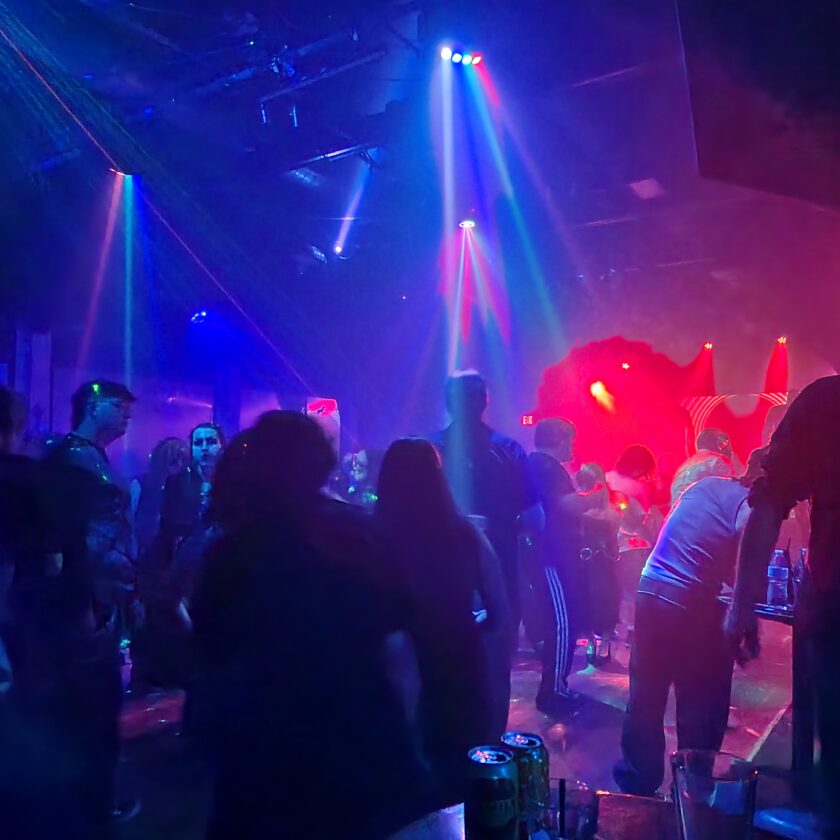
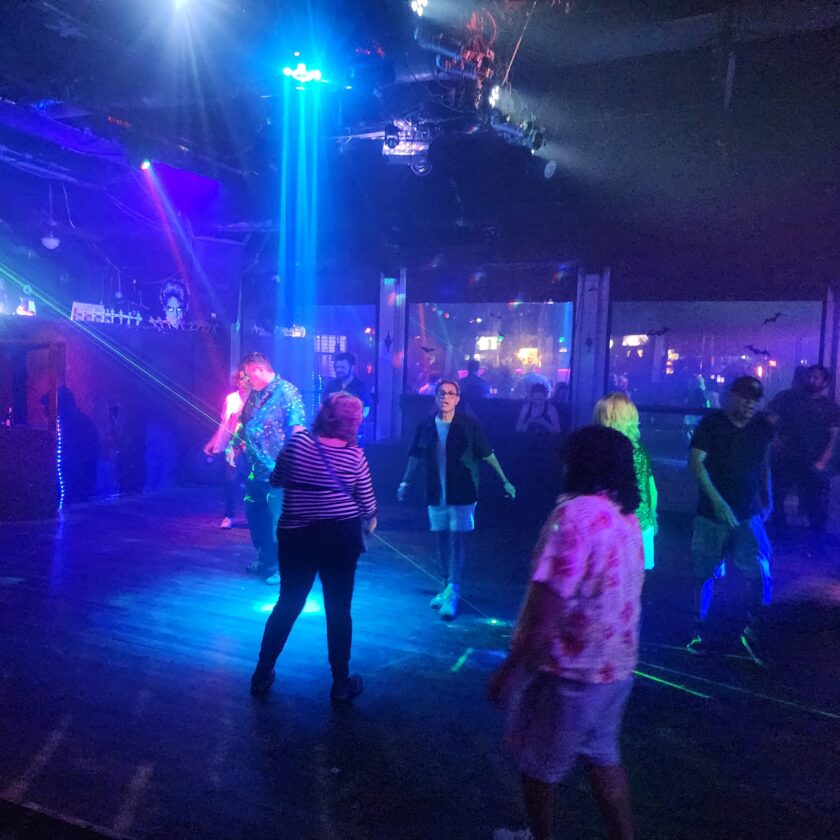
the immeasurable impact of First Wave and the cultural phenomenon of the 80s still hangs with us today, impacting our local 80s night, our fashion and our expectations. Even Global Politics.
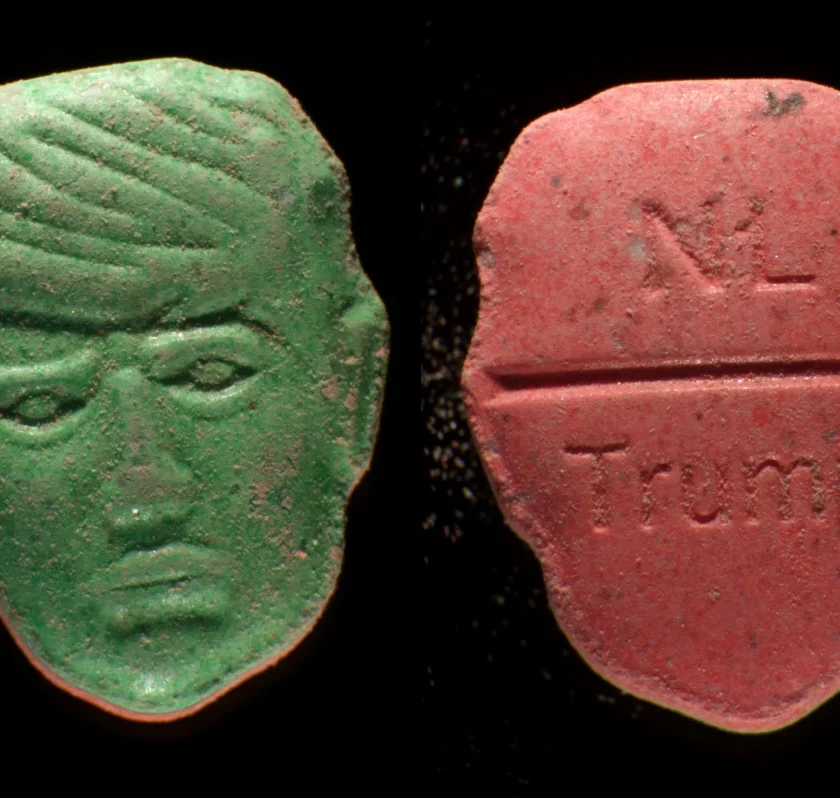
Trump signs order reclassifying marijuana as less dangerous but still unlawful under Federal law
#REEFERMADNESS