
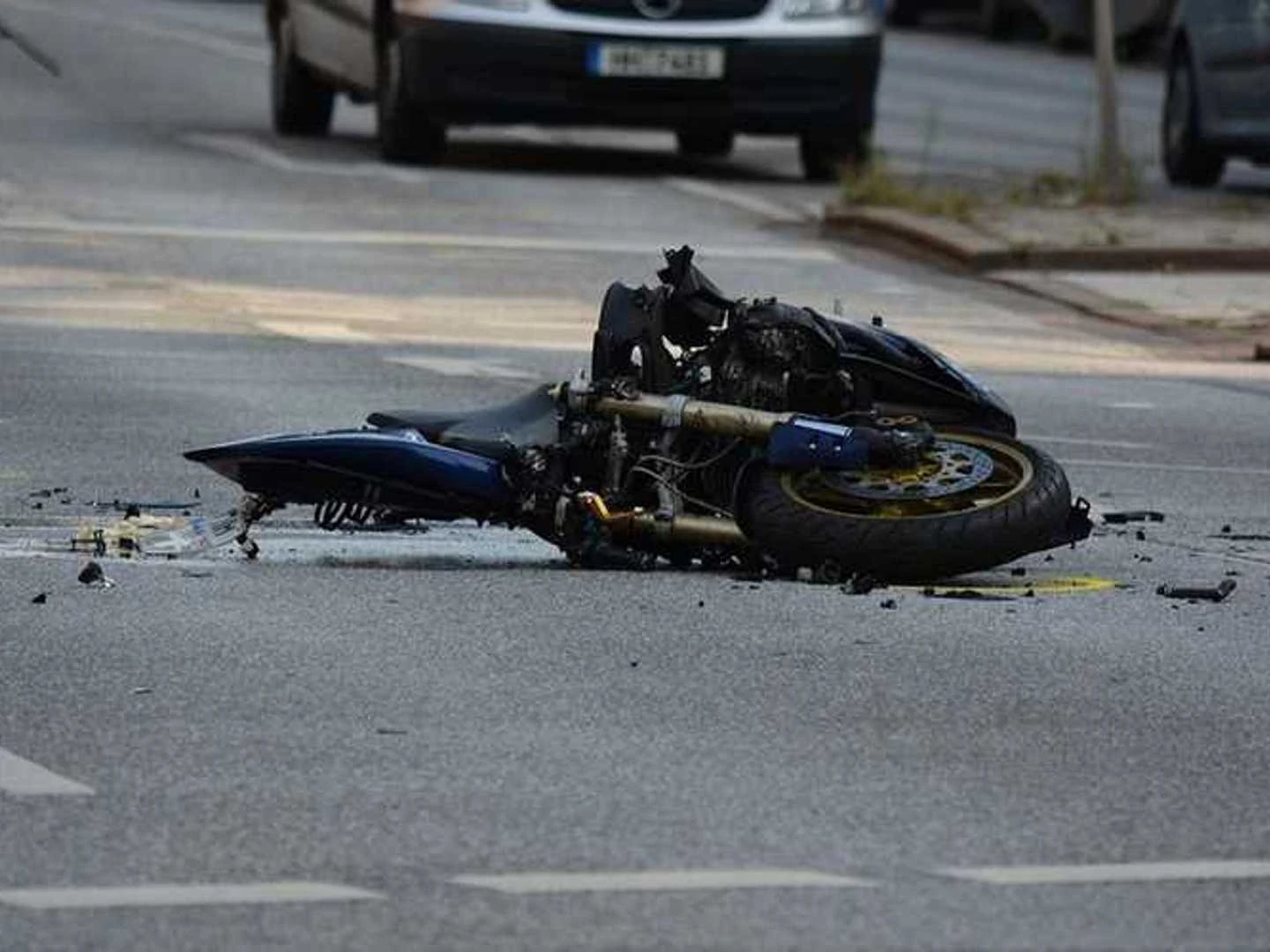
[this article is for analysis purposes only and is not meant to serve as your primary guide or medical advice or training]
Training, Training, Training
To find out what simple actions people on crash scenes can take to be as useful as they can be without any formal training, I turned to the expertise of Chair of the Board of Directors for International Trauma Life Support (ITLS) and former motorcycle paramedic in the U.K., Anthony Connelly.
– RIDEAPART
In his opinion, the very first thing any rider should consider doing is get some sort of First Aid training. Learning the basics of emergency care can make a world of difference in how you approach a crash scene. That being said, whether you receive training or not, you can still help.
This is also when carrying a First Aid kit on your bike comes in handy. This allows you to keep a few necessities with you at all times including gloves and foil blankets. You can easily find motorcycle-friendly kits online—I highly recommend you get one.
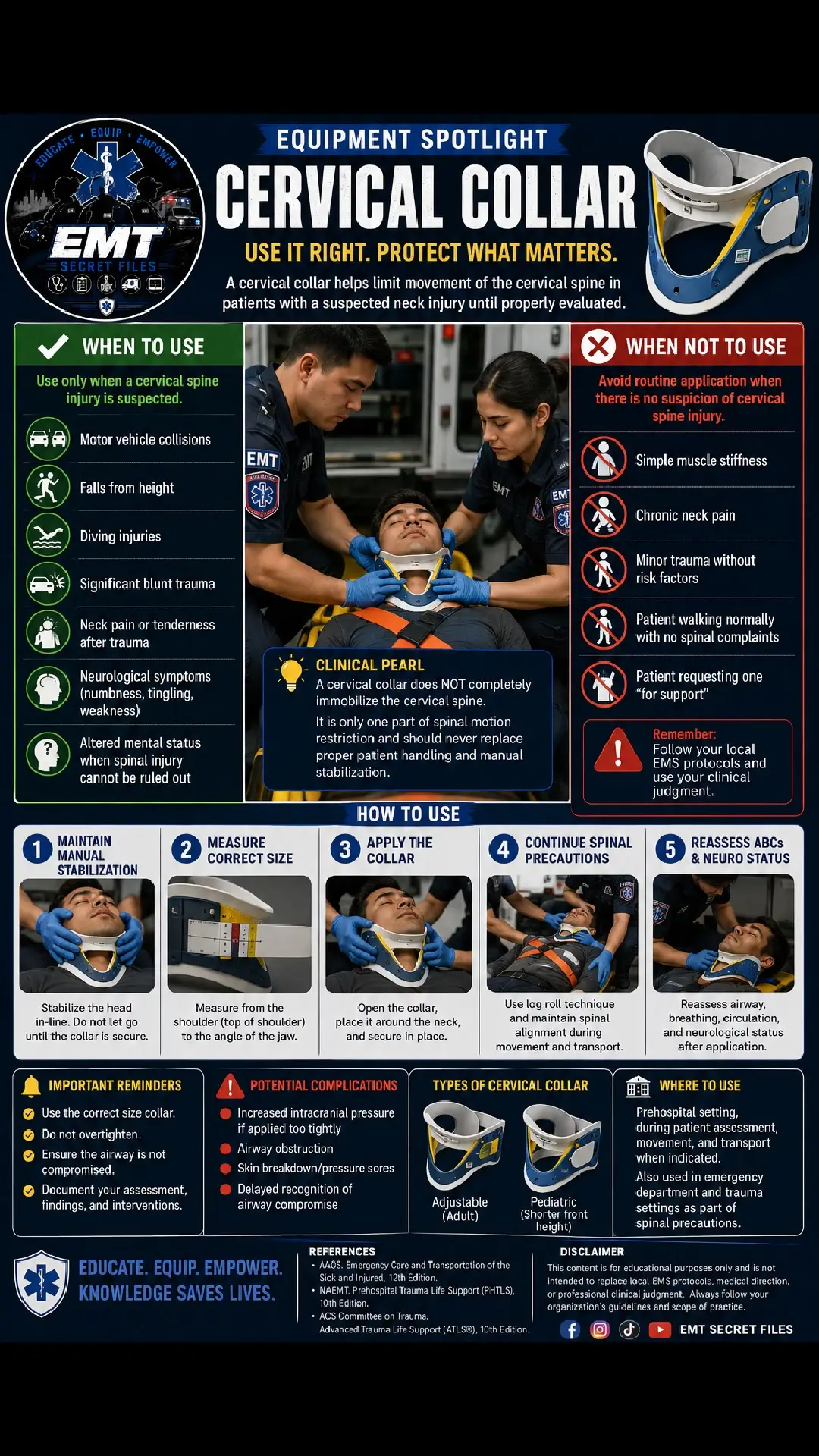
BLS and Resuscitation Training for EMTs
The American Red Cross focuses on providing Basic Life Support (BLS) training and resuscitation education that support EMT or Paramedic certification programs. Individuals should contact their local EMS agency or EMS training program to become a first responder. Through our updated r.25 BLS courses, healthcare clinicians like EMTs can stay current with CPR, AED and Basic Life Support skills for adult and pediatric patients. These evidence-based courses include updated materials, current scientific guidelines, practical teaching tools and opportunities for Continuing Education (CE) credit.
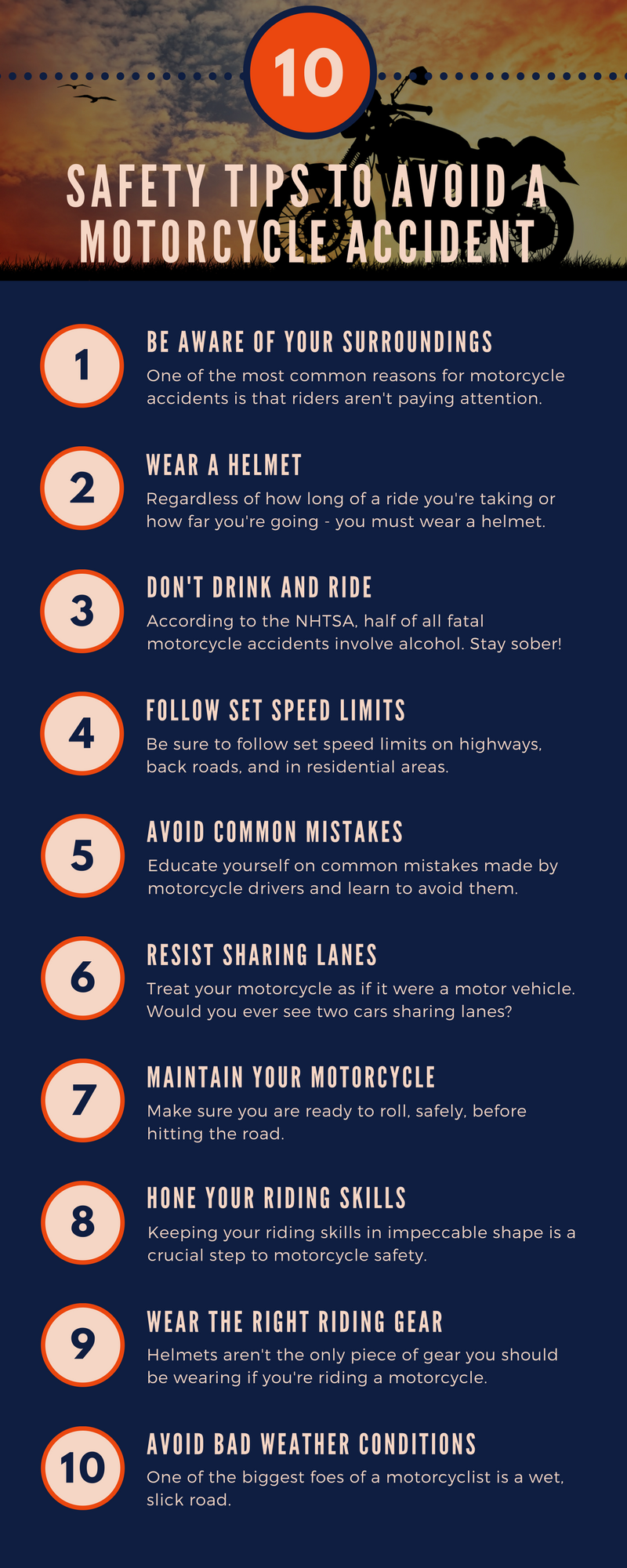
Motorcycle Safety Tips
CHAPTERS
00:00 — Step 1: Protect the scene
00:14 — Step 2: Don’t move / don’t get up
00:41 — Step 3: Kill the engine
00:51 — Step 4: Call — location first
01:20 — Step 5: Talk to them
01:43 — Step 6: Helmet stays on
02:08 — Step 7: Check breathing
02:28 — Step 8: Keep them calm
03:00 — Step 9: Adrenaline lies
03:48 — Step 10: Document now
the information contained on this page is meant to assist you in finding resources and information in the event of a motorcycle or similar accident. We enter a time of multi-modal transportation where many emerging technologies are converging that changes the transportation mix and accident and injury environment. Know basic steps to be helpful. Learn. Always update your education and skills and certifications. Practice, practice, practice.
[Artstrada Magazine: from the publisher: I am currently certified in AED, CPR: I have over a decade of training and experience as a Lifeguard, LG1, AMERICAN RED CROSS, STARGUARD. Working with various organizations. SECURITY guard 2, Bouncer. Etc. With numerous responses to various emergencies and accidents including my own. I share this information with you so that we may all benefit from it. I do not represent myself as an expert in these techniques or practices. I am constantly learning as a student of POLYMATH And life. – Trinity]