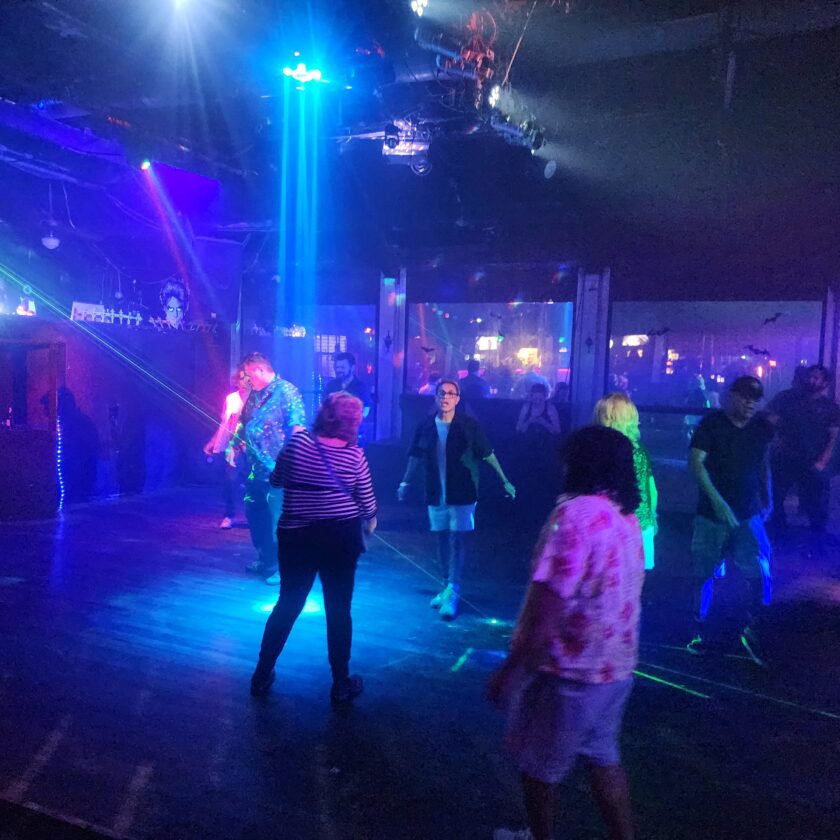

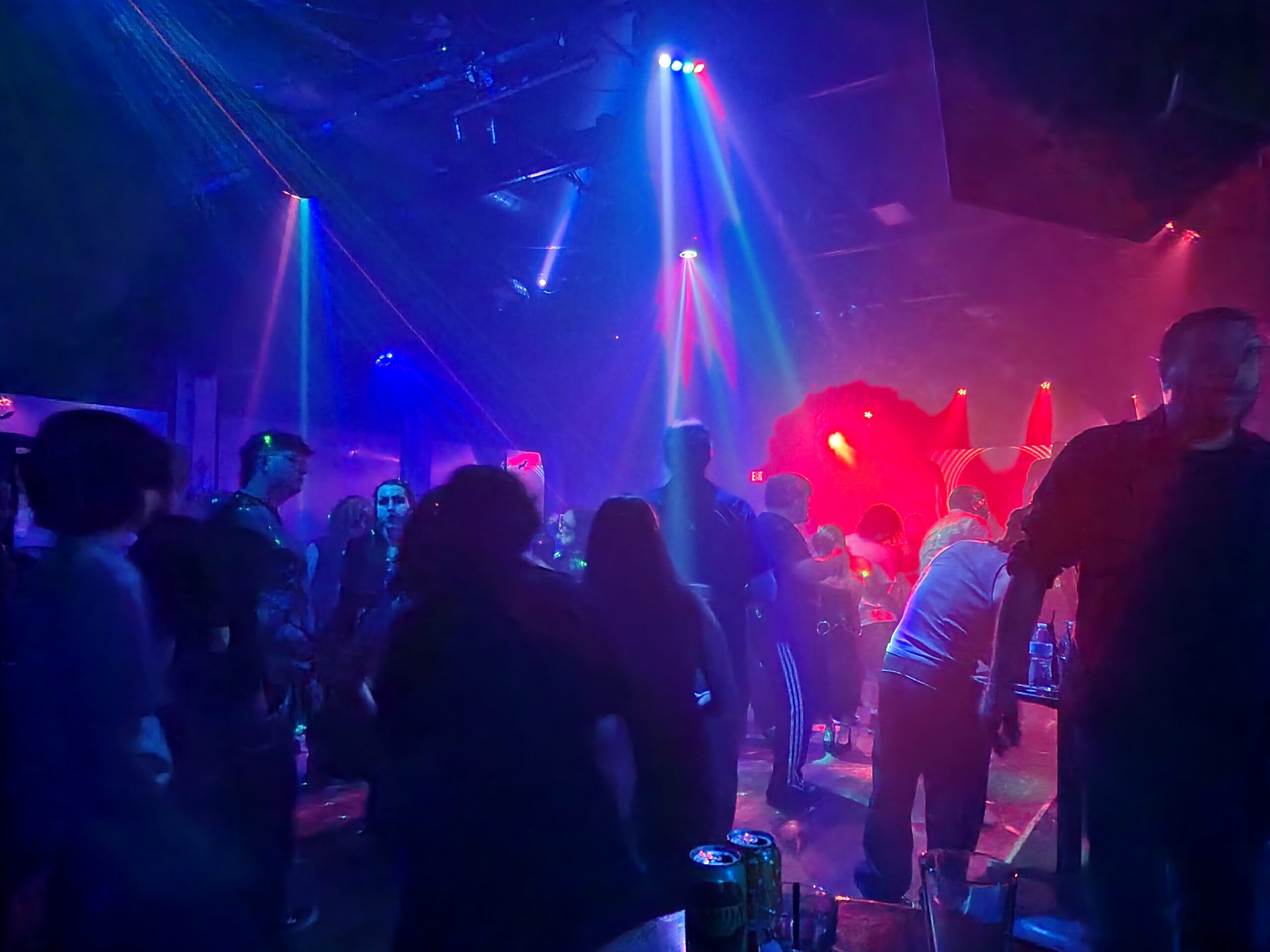
20th Century Goth club night at Elysium is a periodic themed event dedicated to classic goth, industrial, and darkwave sounds from the 20th century.
- Name: Elysium [1]
- Address: 705 Red River St, Austin, TX 78701 [1]
- Details: Austin’s oldest running alternative and goth nightclub, operating since 2001, equipped with a sunken dance floor, full bar, pool tables, and outdoor patios. [1, 2, 3]
Event Details: 20th Century Goth
- Music: Goth, Industrial, Darkwave, Synthpop, and Post-Punk classics from the 20th century (focusing heavily on the ’80s and ’90s with occasional deep cuts from the late ’70s). [1, 2]
- DJs: Resident DJs Neph and the Gothfather


20th-century Gothic movement evolved from classic 19th-century horror and romanticism into a vibrant subculture, shifting through early cinematic icons, regional fiction, and the birth of the post-punk music scene in the late 1970s and 1980s. [1, 2, 3, 4]
Early Pioneers and Cinematic Goth (1900s–1950s)
- Theda Bara: Silent film star known as America’s first goth, famous for dark eye makeup, theatrical mysterious backstories, and dramatic dark costumes. [1]
- Vampira (Maila Nurmi): Created in 1954, her iconic ultra-slim black dress and vampiric persona laid the aesthetic groundwork for later television horror hostesses and punk fashion. [1]
Literary Shifts: Modern and Southern Gothic
- Early 20th-Century Ghost Stories: Authors moved away from traditional haunted castles toward psychological unease, domestic spaces, and internal paranoia. [1, 2]
- Southern Gothic: An American genre featuring writers like William Faulkner and Flannery O’Connor, swapping European castles for decaying plantations, local poverty, and the haunting weight of historical trauma. [1]
The Birth of the Goth Subculture (1970s–1980s)
- Post-Punk Roots: The modern Goth subculture emerged from British post-punk bands and clubs like London’s Batcave in the early 1980s. [1]
- Music and Aesthetics: Bands like Siouxsie and the Banshees, Bauhaus, and The Cure defined the sound, while fans layered DIY distressed clothing, heavy black eyeliner, teased hair, and dramatic leather. [1, 2]
- Revival Influences: The subculture drew heavily from 19th-century Victorian mourning wear, German Expressionism, and romantic melancholy. [1]
If you’d like to explore further, let me know if you are interested in:
- Key musical bands and albums from the post-punk era
- The evolution of Gothic fashion into the 1990s and 2000s
- Specific literary works from 20th-century horror