
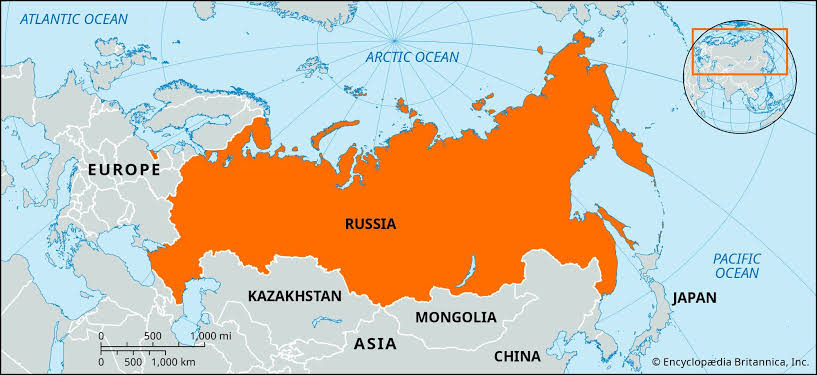
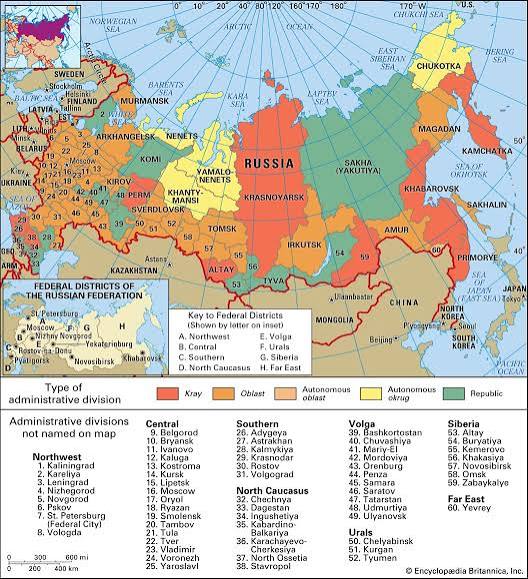
Capital: Moscow
Currency: Russian Ruble
Government: Federal republic, Constitutional republic, Semi-presidential system
Official language: Russian
Prime minister: Mikhail Mishustin (Since 2020)
Destinations: Moscow, Saint Petersburg, Lake Baikal, Kazan, Sochi, Yekaterinburg, Vladivostok, More
Area: 6.602 million mi²
deep-dive into understanding the Russian mindset. Our guest, Sergei Lebedev, a Russian writer and opposition figure, explains what, why and how Russians today think about their country, politics and the rest of the world, and how this differs from the West
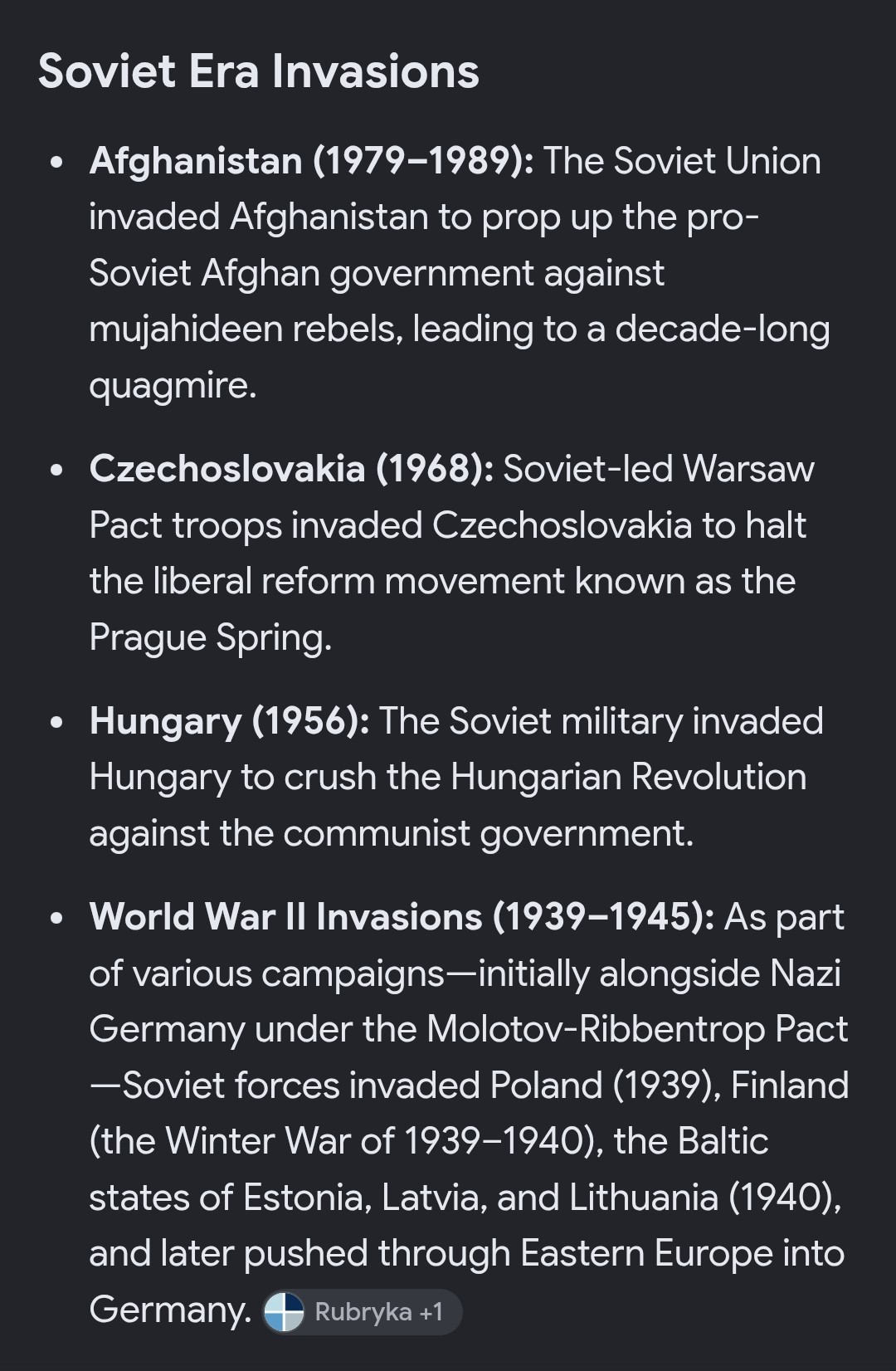
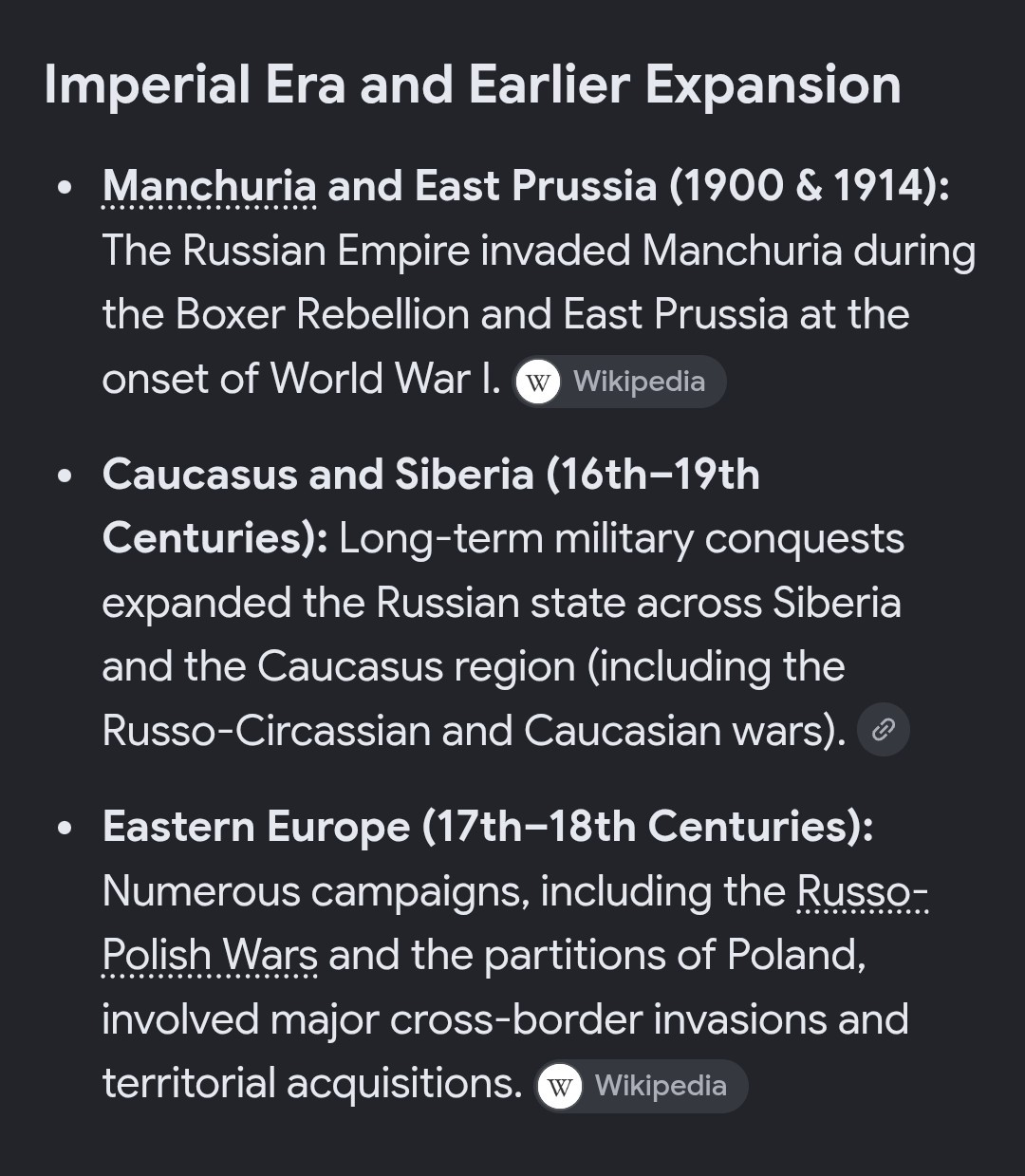
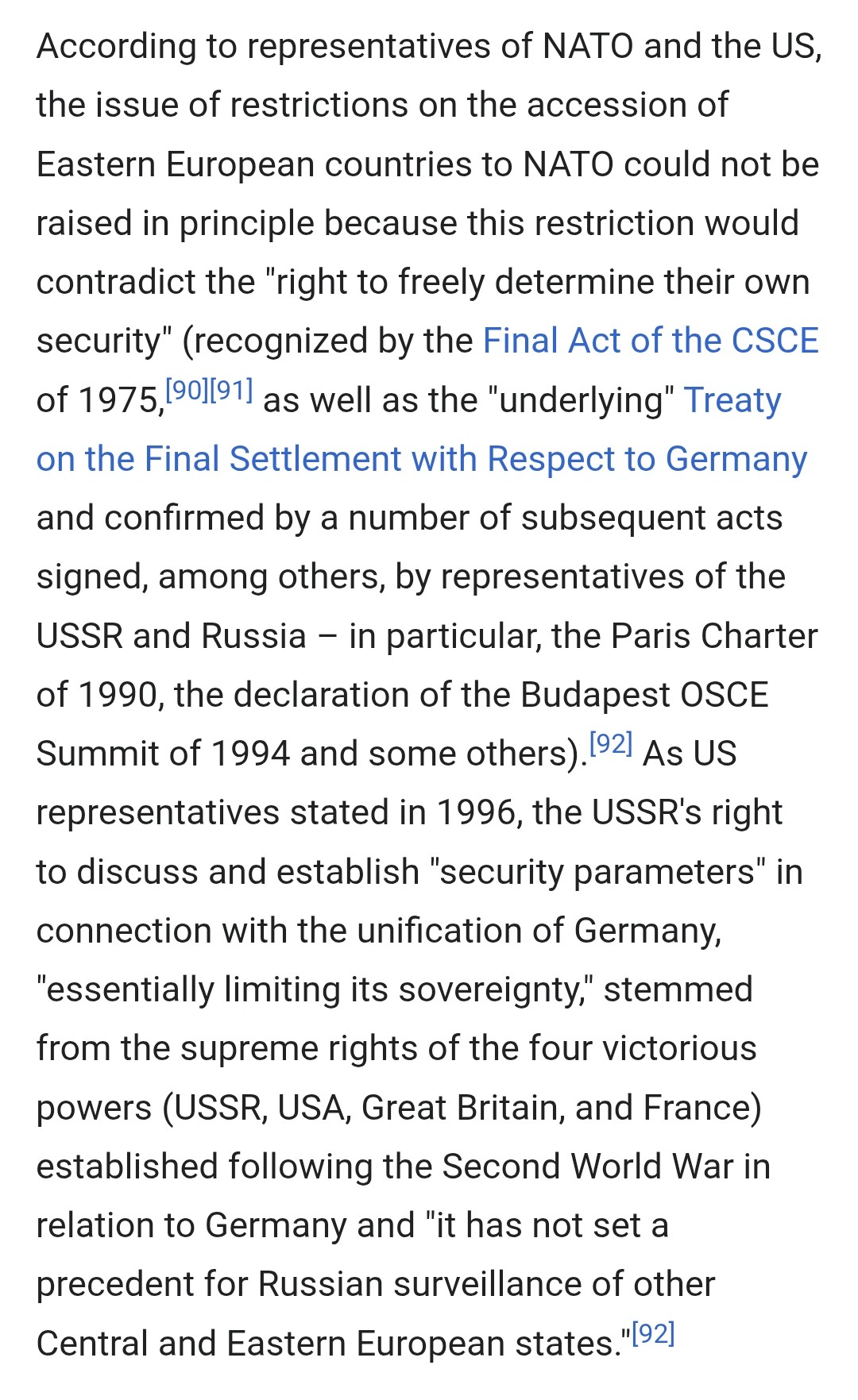
Russian pop culture spans a vibrant landscape of iconic music, cult cinema, internet memes, and unique modern media that heavily influence the post-Soviet space and beyond. [1, 2]
Music and Rock
- Soviet & Russian Rock: Legendary underground bands like Kino (led by Viktor Tsoi) and singer-songwriters like Vladimir Vysotsky defined counter-culture and remain household staples.
- Pop Icons: Stars like Alla Pugacheva and Sofia Rotaru shaped mainstream Russian pop music from the late Soviet era into the 2000s.
- Modern Genres: Contemporary Russian-language hip-hop, electronic music, and modern pop dominate streaming charts across Eastern Europe. [1, 2]
Cinema and Television
- Cult Classics: Gritty 1990s films like Brother (Brat) capture the cultural transition of the post-Soviet era.
- Modern Hits: Contemporary projects range from superhero blockbusters like Major Grom: Plague Doctor to gripping sci-fi and thrillers like The Blackout (Avanpost) or the pandemic drama Epidemia (* cuyo English title is To the Lake*). [1]
Internet and Memes
- Runet Culture: Russian internet culture has produced globally recognized memes, distinct gaming subcultures, and unique aesthetic movements (such as Gopnik/Slav squatting culture and “doomer” music playlists).
- Tech Platforms: Dominated heavily by homegrown platforms like VKontakte (VK) rather than Western-exclusive social networks, shaping a localized digital pop ecosystem.
The Russian mafia, according to Mark Galeotti, an expert in modern Russia, is a highly organized and globalized criminal network that emerged and expanded significantly after the collapse of the Soviet Union in the 1990s. In 1993, there were reported to be as many as 5-6,000 groups,[6] with more than 200 of them having a global reach and were operating within nearly 17 cities in 14 U.S. states and other countries worldwide. During this time, Russian criminals sought to establish themselves on the international stage, anticipating political instability and economic collapse in Russia. Their activities initially focused on the illicit trade of goods, such as Afghan heroin, which they transported across Europe to sell to local gangs, rather than directly on the streets. Over the years, many Russian gangsters evolved into skilled intermediaries, working alongside other major criminal organizations, adapting to local markets and focusing on providing services rather than attempting to control entire territories. While the Russian mafia remains focused on profit, their relationship with the state has evolved over time. The Russian government has used criminal networking as a geopolitical tool, leveraging their capabilities for the interests of the state. However, Galeotti emphasizes that the connection between the Russian government and organized crime is not one of direct control, but rather one of pragmatism, with the state setting boundaries for these groups while occasionally enlisting their services. This reflects a broader shift from the 1990s, when the political elite and organized crime were more intertwined, to the present day, where the state is attempting to distance itself from direct associations with criminal groups while still utilizing them when necessary.[7]