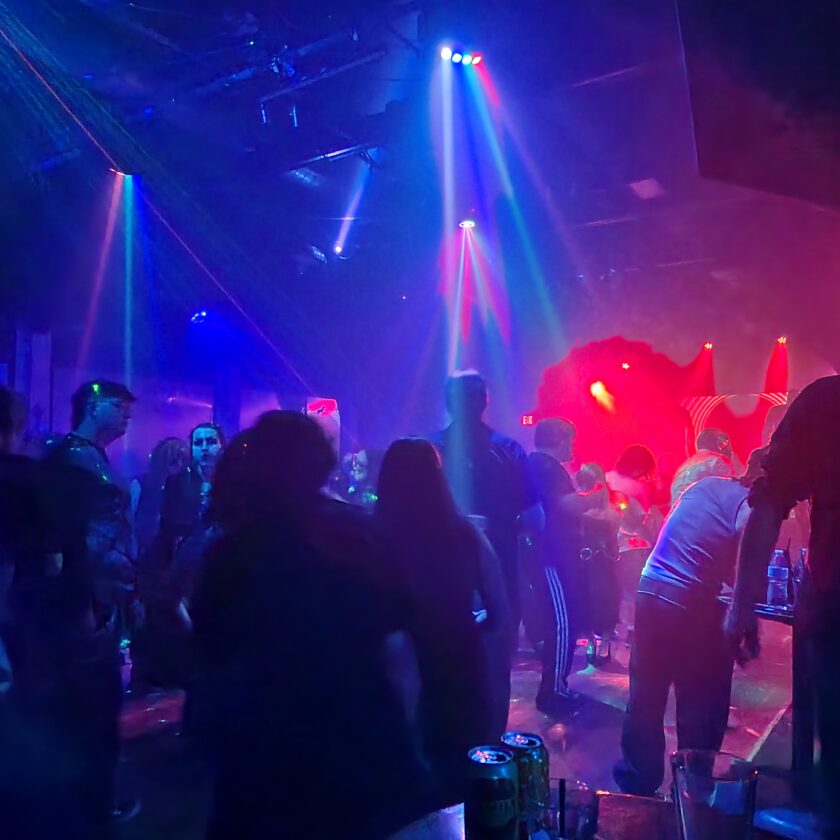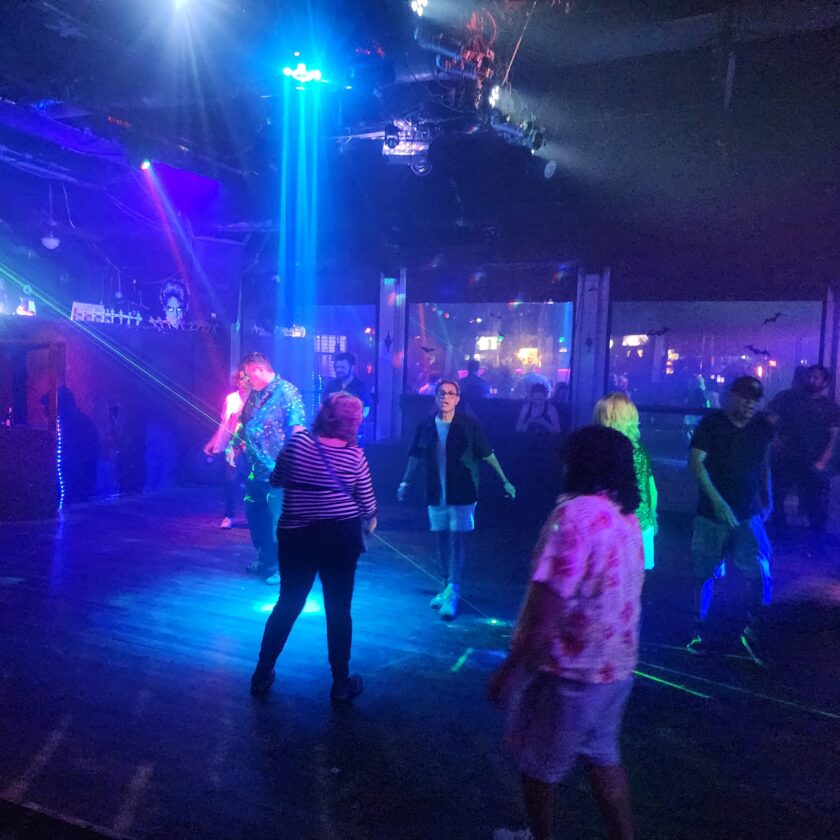


After a night of raving, I fell asleep and woke up to this song playing on loop for 18hrs.. might explain a few things. Flow… like water
IF YOU ARE RECEIVING THIS SIGNAL, THEN YOU ARE THE RESISTANCE
Resistance during World War II
Polish resistance movement in World War II
Resistance movement, an organized effort to oppose a legally established government or an occupying power
The Resistance (American political movement), a movement protesting the presidency of Donald Trump
Political resistance is a collective, often nonviolent, effort by citizens to challenge, oppose, or change an established authority, policy, or regime through acts like protests, strikes, boycotts, and civil disobedience. It serves to hold power accountable, protect rights, and often succeeds by causing elite defections
Key aspects of political resistance include:
- Methods: Common tactics include demonstrations, marches, vigils, leafletting, artistic expression, and, in the digital age, social media campaigns.
- Effectiveness: Nonviolent campaigns have been more successful (over 50%) than violent ones (roughly 25%) in the 1900–2019 period.
- Types: It can be public and organized (e.g., rallies) or, in oppressive contexts, “everyday resistance” that is less visible.
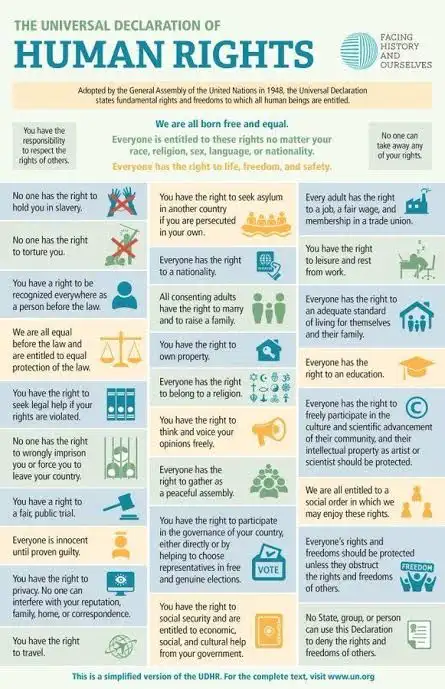
- Goals: Aims include fighting against authoritarianism, promoting human rights, or opposing specific government actions.
Bruce Lee[b] (born Lee Jun-fan;[c] November 27, 1940 – July 20, 1973) was a Hong Kong and American martial artist, actor, and filmmaker. He was the founder of Jeet Kune Do, a hybrid martial arts philosophy, which was formed from his experiences in unarmed fighting and self-defense—as well as eclectic, Zen Buddhist, and Taoist philosophies—as a new school of martial arts thought.[2][3] With a career spanning British Hong Kong and the United States,[4][5][6] Lee is regarded as the first global Chinese film star and one of the most influential martial artists in the history of cinema.[7] Known for his roles in five feature-length martial arts films, he is credited with helping to popularize martial arts films in the 1970s and promoting Hong Kong action cinema.[8][9]
In July 2025, the Hong Kong TVB program “Ctrl+F The Truth [zh]” concluded that Lee died of sudden unexpected death in epilepsy, based on opinions from medical experts, after other causes of death, including cerebral edema caused by aspirin allergy, which had been suspected by the court, were considered unlikely.[244] It was presumed that a lack of professional knowledge or attempts to protect Lee’s legacy hid the true cause of his death at the time.[231]

60 Minutes has learned that a weapon that can inflict Havana Syndrome injuries was obtained overseas and secretly tested on animals on a U.S. military base.
#HAVANASYNDROME