

What’s All The Fuss About?
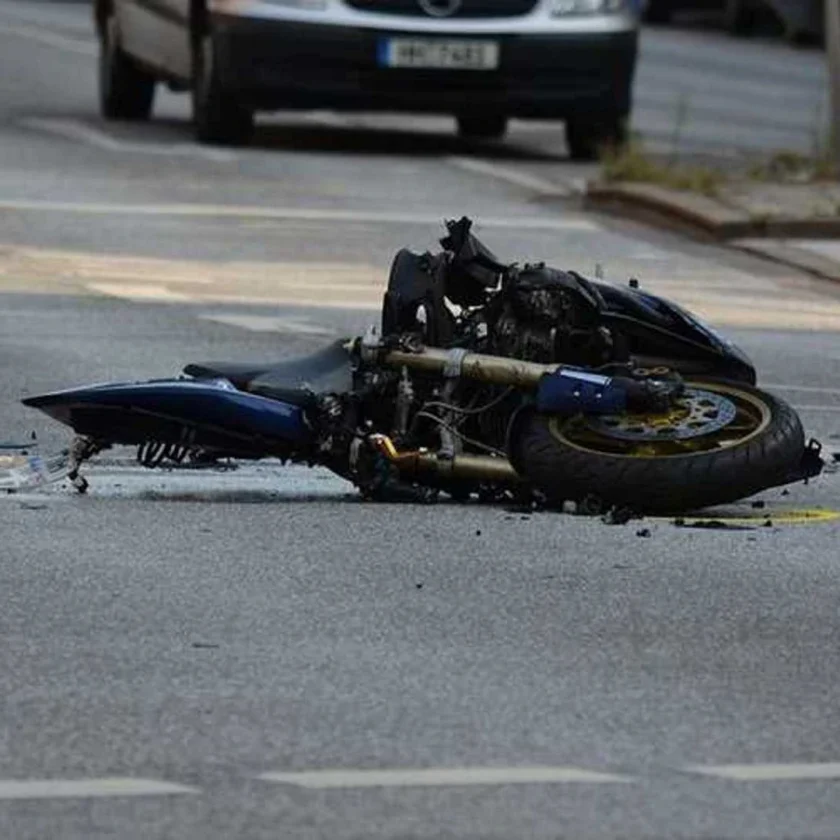
In 2021 there were over 83,000 motorcycle-related accidents
After the adoption of airbags in the 2021 Dakar Rally chest injuries decreased by 50%
After the 2020 adoption of airbags in MotoGP racing collarbone fractures decreased by 12%
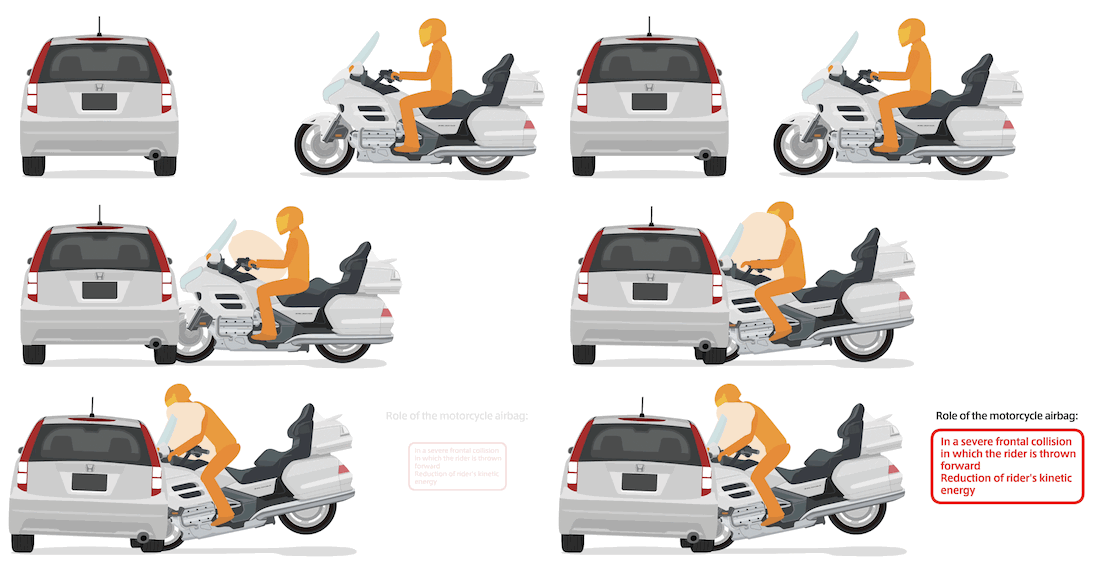
In a severe frontal collision in which the rider is likely to be thrown forward, the airbag absorbs some of the rider’s forward momentum.
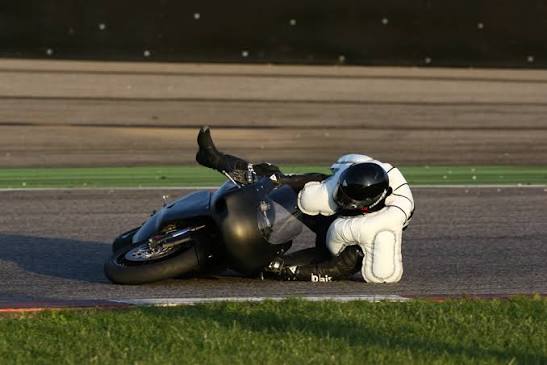
The air bag vest is a personal safety device worn by some motorcyclists and horse riders. Airbag vests initially found popularity among equestrian competitors, and airbags have become mandatory in professional motorcycle racing. In 2018, it became compulsory across all classes within the FIM MotoGP World Championship for riders’ race suits to be fitted with airbag systems.[1]
In horse riding, the device is worn over a standard padded vest and is automatically inflated by gas released from a carbon dioxide canister when a tether attached to the horse’s saddle is extended during a fall.[2]
While early motorcycle vests followed this approach, the technology has advanced: modern systems use a set of onboard sensors (accelerometer, gyroscope and GPS) that analyze the motorcyclist’s movements . An onboard computer uses this sensor data to predict the start of a crash and inflate the airbag before the rider hits the ground or a hard object. Germany’s ADAC tested these systems and found that the speed of detection and inflation mattered.[3] More comprehensive research by Ballester et al. also found that the speed of inflation was critical for safety, with tethered systems too slow to inflate in some accident scenarios.[4]
Electronic airbags – either integrated into the motorcyclist’s jacket or worn over it – have started to become more common among regular riders on the street. Manufacturers of electronic systems include In&Motion, Alpinestars, Helite (E-Turtle) and Dainese.